
Holiday Period: 17th June – 31st July
Prepare for this and stock up now!
Holiday Period: 17th June – 31st July
Prepare for this and stock up now!
Holiday Period: 17th June – 31st July
Prepare for this and stock up now!
Holiday Period: 17th June – 31st July
Prepare for this and stock up now!
Holiday Period: 17th June – 31st July
Prepare for this and stock up now!

If you follow fitness, biohacking, or sports recovery communities online, you have almost certainly heard of BPC-157. Pair it with TB-500 and you have what many in the research community call the ‘wolverine stack’ – a combination that has generated enormous interest for its potential tissue-repair and healing properties.
This guide covers what both peptides are, what the research says, and what Australians need to know before exploring them.
BPC-157 stands for Body Protection Compound 157. It is a synthetic pentadecapeptide — a chain of 15 amino acids — derived from a protein found naturally in human gastric juice. Researchers have studied it extensively in animal models since the 1990s, with a growing body of published literature covering its effects on tissue healing, inflammation modulation, and gut health.
In preclinical studies, BPC-157 has demonstrated remarkable properties: accelerating the healing of tendons, ligaments, muscles and bone; reducing inflammation; promoting angiogenesis (the growth of new blood vessels to injured tissue); and showing protective effects on the gastrointestinal tract.
It consistently ranks as the most searched non-weight-loss peptide globally, and in Australia it sits at the top of recovery-focused peptide searches — driven in part by the fitness community and a growing interest from people recovering from sports injuries and surgery.
TB-500 is a synthetic version of Thymosin Beta-4 — a protein naturally present in virtually every cell in the human body. It plays a key role in regulating actin, one of the fundamental proteins involved in cell structure, movement, and repair.
In research settings, TB-500 has been studied for its ability to promote cell migration to sites of injury, reduce inflammation, and support the healing of muscle fibres, tendons, and connective tissue. It is often described as complementary to BPC-157 because the two compounds appear to work through different but synergistic mechanisms.
The ‘wolverine stack’ nickname — a reference to the Marvel character’s near-instant healing ability — emerged from online fitness and biohacking communities. The pairing of BPC-157 and TB-500 became popular because researchers and users noted that the two peptides appear to address tissue repair from complementary angles: BPC-157 targeting the local healing environment and inflammation, TB-500 supporting cell migration and structural repair.
The name has stuck, and searches for ‘wolverine stack Australia’ have grown steadily as awareness of both compounds has spread through mainstream wellness circles.
It is important to be clear: the vast majority of research on both BPC-157 and TB-500 has been conducted in animal models — primarily rodents. While this research is extensive and consistently promising, controlled human clinical trials are limited. The anecdotal reports from athletes and biohackers are compelling, but they are not a substitute for rigorous clinical evidence.
BPC-157 has over 180 PubMed-indexed publications as of 2025, covering areas from tendon repair to neuroprotection to gastrointestinal healing. TB-500 has a smaller but growing body of research, primarily focused on cardiovascular and musculoskeletal healing.
The gap between animal research and proven human applications is significant — and this is precisely why these compounds remain classified as research chemicals, not approved medicines.
Both BPC-157 and TB-500 are classified as Schedule 4 prescription-only substances in Australia under the TGA Poisons Standard. They are not approved for over-the-counter sale or personal use without a valid prescription.
Research-grade versions are available for legitimate scientific and laboratory purposes, but these must be handled in accordance with applicable laws. Importing unapproved therapeutic goods for personal use without appropriate authorisation carries significant legal risk.
We always encourage anyone interested in these compounds to discuss their situation with a qualified Australian healthcare professional before proceeding.
If you are sourcing BPC-157 or TB-500 for legitimate research purposes, supplier quality is paramount. These are delicate peptide compounds that require precise synthesis, careful lyophilisation (freeze-drying), and controlled storage conditions. A substandard product may contain impurities, incorrect concentrations, or degraded peptide — all of which compromise research integrity.
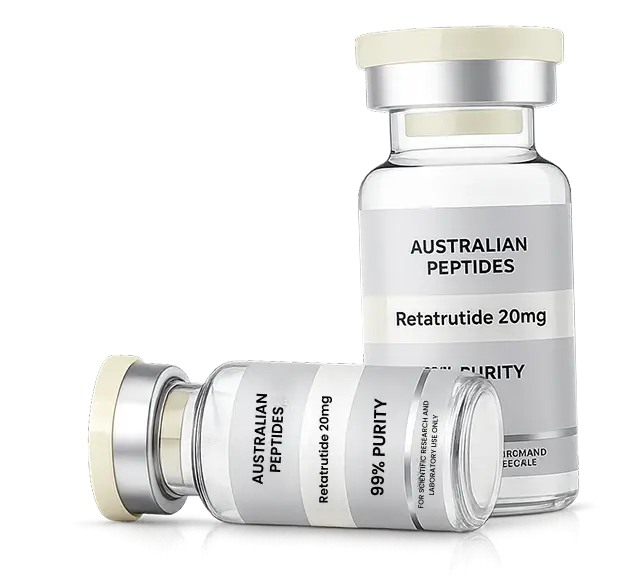
Australian Peptides sources exclusively from GMP-compliant international laboratories and provides full HPLC and mass spectrometry documentation with every batch. Every vial leaves our Australian warehouse with complete traceability and cold-chain packaging.

Need more information about Australian Peptides? Get in contact with us via the email below and Australian Peptides will assist you promptly.
Include your name and a relevant subject line.
Subscribe now to keep reading and get access to the full archive.