
The KLOW Stack is Australian Peptides‘ most comprehensive repair and regeneration combination — four compounds, each targeting a distinct dimension of healing: gut integrity and immune balance, skin and tissue regeneration, healing acceleration, and structural rebuilding.
The name encodes the four components directly: K for KPV, L for GHK-Cu (the L comes from its scientific name, copper tripeptide-1), O for BPC-157, and W for TB-500. Understanding what each letter represents — mechanistically and in terms of its research base — is the best way to appreciate why this particular combination was designed the way it was.
KPV is a tripeptide — three amino acids: lysine, proline, and valine — derived from the C-terminal sequence of alpha-melanocyte-stimulating hormone (alpha-MSH). It is the smallest active fragment of alpha-MSH that retains the hormone’s anti-inflammatory properties, and it has attracted growing research interest for its effects on gut inflammation and immune modulation.
The research on KPV focuses primarily on its ability to reduce inflammatory signalling in the gut. Studies in cell culture and animal models have demonstrated that KPV inhibits pro-inflammatory cytokine production — including IL-6, IL-8, and TNF-alpha — through pathways involving the melanocortin receptor system and direct nuclear factor-kB (NF-kB) inhibition. NF-kB is one of the central transcription factors driving inflammatory gene expression, and its regulation is relevant across a wide range of inflammatory conditions.
Of particular interest is KPV’s documented activity in the intestinal epithelium. Research published in the Journal of Pharmacology and Experimental Therapeutics demonstrated that KPV reduced colitis severity in mouse models when administered orally — a finding significant not just for its anti-inflammatory effect but because the oral bioavailability of a tripeptide in gut tissue opens interesting research directions around targeted delivery to intestinal inflammation sites.
The proposed mechanism involves KPV’s ability to cross the gut epithelium via peptide transporter proteins, exert local anti-inflammatory effects on intestinal immune cells, and support the restoration of gut lining integrity by reducing the inflammatory environment that drives mucosal damage. In the context of the KLOW Stack, KPV addresses the foundation layer: reducing gut inflammation and rebalancing the immune environment in which all repair processes occur.
GHK-Cu (copper tripeptide-1) is the regenerative signal of the KLOW Stack — a naturally occurring tripeptide whose plasma levels decline significantly with age and whose biological activity spans collagen synthesis, wound healing, antioxidant defence, and gene expression modulation.
The published research on GHK-Cu is among the most extensive of any peptide compound in the repair and regeneration category. As of April 2026, it is also the fastest-growing peptide search term in Australia, with interest driven by both the dermatology research community and the broader longevity science space.
Its core mechanism in the context of skin and tissue repair centres on fibroblast activation: GHK-Cu stimulates the dermal fibroblasts responsible for producing collagen, elastin, and the glycosaminoglycans that form the structural scaffold of healthy skin and connective tissue. Multiple randomised controlled trials have validated these effects in topical applications, and injectable research is examining broader systemic effects on tissue regeneration and inflammatory modulation.
Within the KLOW Stack, GHK-Cu serves as the structural regeneration signal — activating the cellular machinery that builds new, healthy tissue in the environment that KPV has helped to stabilise and calm.
BPC-157 — Body Protection Compound 157 — is a synthetic pentadecapeptide derived from human gastric juice with one of the largest preclinical research bases of any peptide compound. Its published literature now exceeds 200 papers as of April 2026, covering tissue healing across musculoskeletal, gastrointestinal, neurological, and vascular contexts.
BPC-157’s primary role in the KLOW Stack is as the healing accelerator — the compound that actively drives repair biology forward. Its documented mechanisms include promotion of angiogenesis at wound and injury sites, modulation of nitric oxide signalling, upregulation of growth factor expression including EGF and VEGF, resolution of local inflammation, and direct cytoprotective effects on cells under metabolic stress.
Its gastrointestinal protective properties are particularly relevant in the KLOW Stack’s context. BPC-157 has been studied for its ability to protect and restore the gut mucosal lining — complementing KPV’s anti-inflammatory activity with active mucosal repair. Together, KPV and BPC-157 address gut health from two angles: immune modulation and structural healing. The systemic tissue repair activity of BPC-157 then extends this healing capacity outward to muscles, tendons, skin and connective tissue throughout the body.
TB-500 is a synthetic fragment of Thymosin Beta-4, a ubiquitous protein involved in regulating the actin cytoskeleton — the structural network that gives cells their shape, enables their movement, and underlies the mechanical processes of repair and remodelling.
In research settings, TB-500 is studied for its ability to promote the migration of repair-competent cells to sites of injury, support extracellular matrix remodelling, reduce inflammation, and accelerate healing in muscle, tendon, ligament, and connective tissue. Its effects on flexibility and range of motion — noted alongside tissue healing in multiple animal studies — reflect its role in both rebuilding structural integrity and restoring the functional quality of healed tissue.
Within the KLOW Stack, TB-500 sits at the endpoint of the repair sequence: where GHK-Cu activates regeneration, BPC-157 accelerates the healing process, and KPV stabilises the immune environment, TB-500 drives the physical rebuilding of tissue architecture and supports the cell movement required to complete the repair process.
What distinguishes the KLOW Stack from simpler combinations is the breadth of its mechanistic coverage. Most tissue repair peptide stacks address one or two dimensions of the healing process. The KLOW Stack addresses four: immune and inflammatory regulation at the gut level (KPV), structural regeneration signal via collagen and tissue synthesis activation (GHK-Cu), active healing acceleration across multiple tissue types (BPC-157), and physical tissue rebuilding and cell migration support (TB-500).
These four mechanisms are not redundant — they operate through largely distinct pathways and address sequential stages of the repair process. KPV reduces the inflammatory environment that inhibits healing. GHK-Cu activates the regenerative signal. BPC-157 drives the healing process forward. TB-500 rebuilds the structure. Together they represent a comprehensive approach to the biology of repair and regeneration that no single compound in the stack could achieve independently.
All four components of the KLOW Stack — KPV, GHK-Cu, BPC-157, and TB-500 — are independently tested at Australian Peptides with batch-specific HPLC and mass spectrometry certificates. Each compound is sourced from GMP-accredited international laboratories and dispatched same-day from our Australian warehouse with cold-chain packaging. Full analytical documentation is provided with every order.
New batch COAs and restock alerts, sent when they happen.

Need more information about Australian Peptides? Get in contact with us via the email below and Australian Peptides will assist you promptly.
Include your name and a relevant subject line.
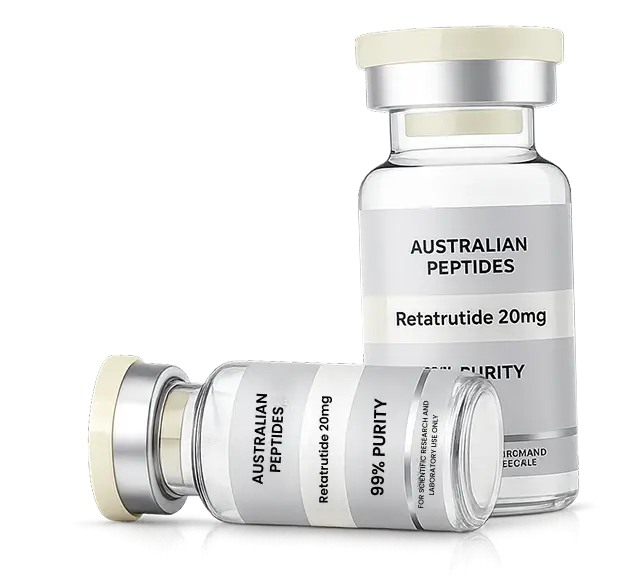
Every batch we publish a third-party certificate of analysis. Get told when a new one lands, and when a sold-out peptide is back.
Subscribe now to keep reading and get access to the full archive.