
New website, same high quality peptides
Express postage on all orders
New website, same high quality peptides
Express postage on all orders
New website, same high quality peptides
New website, same high quality peptides
Express postage on all orders
New website, same high quality peptides
Express postage on all orders
New website, same high quality peptides

Research peptides are only as useful as they are pure. An impure compound doesn’t just produce unreliable data — it introduces uncontrolled variables that can compromise an entire research project. In a market that has expanded rapidly alongside growing scientific and public interest in peptides, the quality gap between suppliers has widened considerably.
For Australian researchers, the additional complication is supply chain integrity. International sources introduce customs risk, transit time, and temperature exposure. A vial of peptide that spends two weeks in an uncontrolled shipping container — potentially passing through multiple climate zones — is a different compound from one dispatched via a domestic courier and delivered in days.
No Customs Risk
The Australian Border Force actively inspects inbound parcels for controlled and restricted goods. Peptides imported without proper authorisation risk seizure, with no guarantee of reimbursement and potential legal exposure for the recipient. Domestic dispatch bypasses this entirely.
Faster Delivery
Domestic orders from Australian suppliers typically arrive within 2–5 business days via standard courier services. International orders from US, European, or Asian suppliers commonly take 2–4 weeks, with no guarantee of clearance. For time-sensitive research, this difference is significant.
Temperature Control
Many peptides are temperature-sensitive. Lyophilised peptides can tolerate ambient temperatures for short periods, but extended transit through warm climates degrades product quality. Domestic shipping dramatically reduces transit duration and allows suppliers to use shorter-duration cold packaging solutions that are more effective over brief courier trips than extended international freight.
Regulatory Clarity
Australian domestic suppliers who position products clearly for research use, maintain compliant labelling, and do not make therapeutic claims operate within a well-defined legal framework. International suppliers operating across multiple jurisdictions may have unclear regulatory positioning, creating compliance ambiguity for Australian purchasers.
Third-Party Testing Is Non-Negotiable
Any supplier worth considering will provide Certificates of Analysis (CoAs) from independent third-party laboratories — not internal quality assurance documents. These should include HPLC purity data and, ideally, mass spectrometry confirmation of the peptide sequence. A supplier who cannot or will not provide this documentation should not be trusted.
Batch-Specific Documentation
A CoA should be batch-specific, not a generic document covering a compound class. Each batch of peptide produced may have slightly different characteristics. Researchers need data for the specific batch they are purchasing, not an earlier or more favourable batch’s results.
Minimum Purity Standards
The industry standard for research-grade peptides is 98% purity by HPLC, with many reputable suppliers achieving 99%+. Anything below 95% is generally considered sub-research-grade and inappropriate for serious laboratory use. Be wary of suppliers who describe their products as “high purity” without providing specific figures.
Transparent Manufacturing Information
Where are the peptides synthesised? Reputable suppliers source from established GMP-compliant peptide manufacturers using solid-phase peptide synthesis (SPPS) with quality-controlled raw materials. Some suppliers are themselves GMP-accredited manufacturers. Others source from reputable overseas manufacturers with verifiable quality credentials. Either is acceptable — what matters is that the information is available and verifiable.
Compliant Labelling and Marketing
A compliant domestic supplier will clearly label products as intended for research and laboratory use only. They will not make therapeutic claims, will not suggest dosing protocols for human use, and will not position products in ways that imply they are supplying for personal therapeutic use. This is both a regulatory requirement and a quality signal.
Responsive Customer Service
Legitimate suppliers have knowledgeable staff who can answer technical questions about their products, documentation, and handling requirements. Poor-quality suppliers often lack this capacity because they have limited knowledge of the compounds they are selling.
For researchers who work with multiple peptides or require ongoing access, building a relationship with a single trusted domestic supplier is more efficient than sourcing ad hoc. A reliable supplier will maintain consistent stock of commonly researched compounds, provide batch notification for active researchers, and ensure documentation standards are maintained across orders.
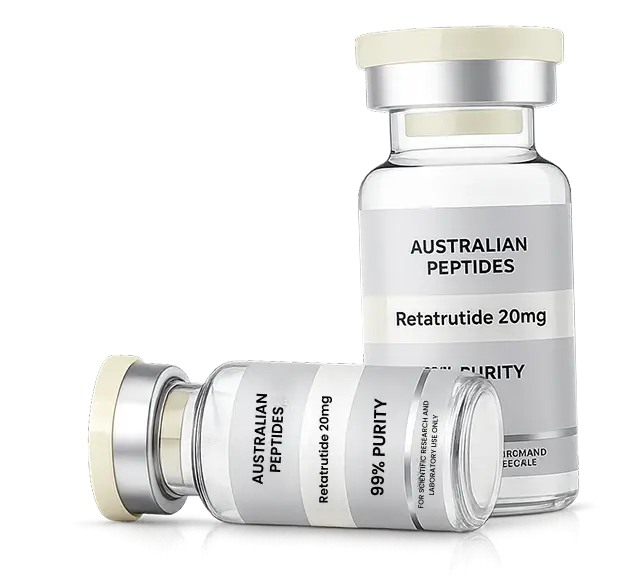
Australian Peptides maintains domestic stock of a broad range of research-grade peptides, dispatches via Australian courier networks, and provides batch-specific CoAs for all products. All compounds are sourced from reputable manufacturers and independently tested before dispatch.


Need more information about Australian Peptides? Get in contact with us via the email below and Australian Peptides will assist you promptly.
Include your name and a relevant subject line.
Subscribe now to keep reading and get access to the full archive.